


Top Anxiety Coping Techniques for Everyday Calm
Updated: Jan 7
Anxiety can feel like a heavy cloud that follows you around, making even simple tasks seem daunting. I know how overwhelming it can be when your mind races or your chest tightens for no clear reason. But there are gentle, effective ways to ease that weight and find moments of peace. Over time, I’ve discovered several anxiety coping techniques that help me regain control and calm my thoughts. I want to share these with you, hoping they bring you the same comfort and clarity.
Understanding Anxiety and Its Impact
Before diving into techniques, it’s important to understand what anxiety really is. Anxiety is a natural response to stress or perceived danger, it's part of the human condition. It’s your body’s way of preparing you to face challenges. Not only that, you can feel anxious when something doesn't feel right or you're worrying about the future in the present. But when anxiety becomes frequent, intense and out of balance, it can interfere with daily life. You might notice:
Restlessness or feeling on edge
Difficulty concentrating
Rapid heartbeat or shallow breathing
Trouble sleeping
Recognising these signs is the first step towards managing anxiety. It’s not about eliminating anxiety completely but learning how to respond to it with kindness and patience.

Practical Anxiety Coping Techniques You Can Try Today
When anxiety strikes, having a toolkit of simple strategies can make a big difference. Here are some techniques I find especially helpful:
1. Mindful Breathing
Breathing is something we do automatically, but when anxiety hits, our breath often becomes shallow and quick. Mindful breathing helps slow things down and brings your focus back to the present moment.
Sit or lie down comfortably.
Breathe in slowly through your nose for a count of four.
Hold your breath for a count of four.
Exhale gently through your mouth for a count of six.
Repeat this cycle for a few minutes.
This technique calms your nervous system and reduces the physical symptoms of anxiety.
2. Grounding Exercises
Grounding helps you reconnect with the here and now, especially when your mind feels overwhelmed.
Try the “5-4-3-2-1” method:
Name 5 things you can see around you.
Name 4 things you can touch.
Name 3 things you can hear.
Name 2 things you can smell.
Name 1 thing you can taste.
This simple exercise shifts your attention away from anxious thoughts and into your immediate environment.
3. Gentle Movement
Physical activity releases tension and boosts mood-enhancing chemicals in the brain. You don’t need to run a marathon; even gentle movement helps.
Take a slow walk outside, noticing the sights and sounds.
Try gentle yoga stretches focusing on your breath.
Dance to your favourite calming music.
Movement helps your body release built-up stress and brings a sense of ease.
Creating a Supportive Environment for Anxiety Relief
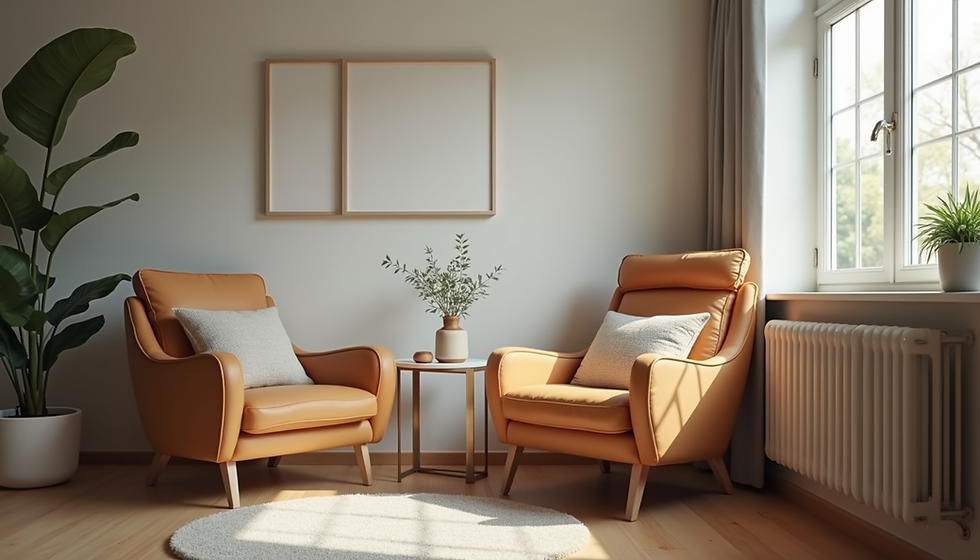
Your surroundings can either soothe or stir up anxiety. Making small changes to your environment can support your mental wellbeing.
Declutter your space: A tidy room can help clear your mind.
Add natural elements: Plants or fresh flowers bring calm and life.
Use soft lighting: Avoid harsh, bright lights in the evening.
Create a comfort corner: A special spot with cushions, blankets, or favourite books where you can retreat.
These adjustments create a safe haven where you can practise your anxiety coping techniques and feel nurtured.

The Role of Routine and Self-Care in Managing Anxiety
Establishing a gentle daily routine can provide structure and predictability, which helps reduce anxiety. Here are some ideas to consider:
Regular sleep schedule: Aim for consistent bedtimes and wake times.
Balanced meals: Nourish your body with wholesome foods.
Limit caffeine and alcohol: These can increase anxiety symptoms.
Set aside “me time”: Engage in hobbies or relaxation activities you enjoy.
Self-care isn’t selfish; it’s essential. When you care for yourself, you build resilience against anxiety’s challenges.
When to Seek Additional Support
Sometimes, anxiety feels too big to manage alone. That’s okay. Reaching out for help is a brave and important step. I can support you with this and together we can develop personalised strategies that could help you along the way.
If you find your anxiety interfering with daily life or causing distress, consider professional guidance. I can offer flexible sessions in person, online/ phone across the UK, providing a warm, understanding space to explore your feelings and develop coping skills.
Embracing Small Steps Towards Calm
Managing anxiety is a journey, not a race. Each small step you take towards understanding and soothing your mind is a victory. Remember to be gentle with yourself. Some days will be easier than others, and that’s perfectly okay.
By practising mindful breathing, grounding exercises, gentle movement, and creating a supportive environment, you can build a toolkit that helps you navigate anxious moments with more ease. And when you need it, don’t hesitate to reach out for support.
You are not alone on this path. With patience and kindness, calm can find its way back to you.


Comments